
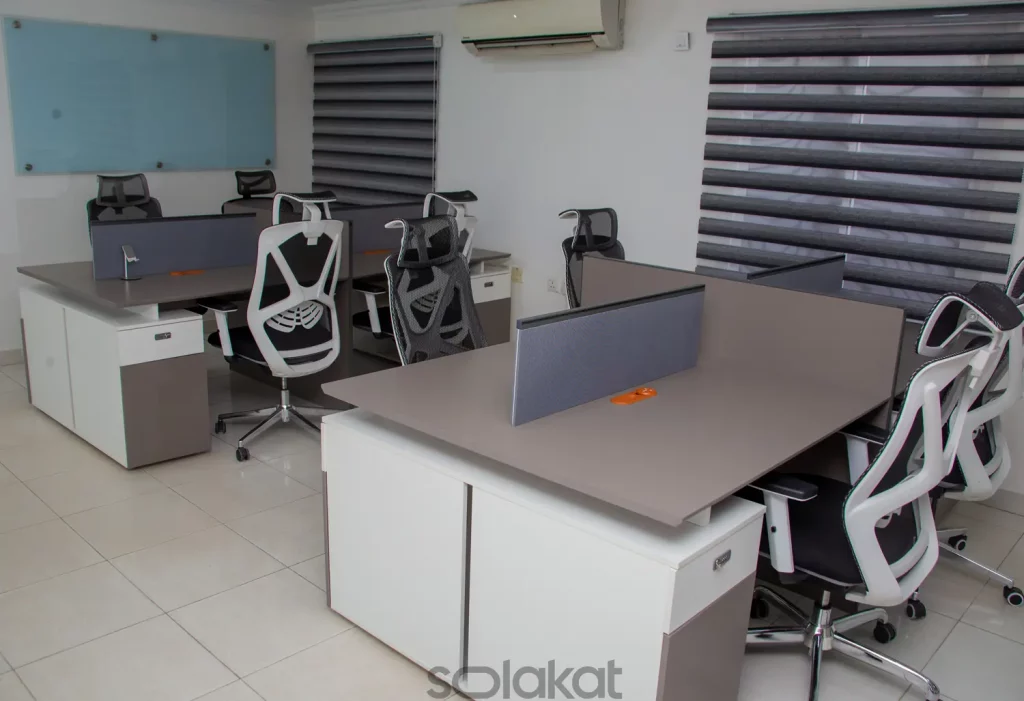
The Balance Between Aesthetics and Function in Modern Spaces
Modern spaces are expected to do more than simply look appealing. The challenge lies in creating environments that strike a balance between visual impact and practical use. While aesthetics draw attention and shape first impressions, functionality determines how well a space supports the people within it. When one is prioritized at the expense of the other, the result is often a space that either looks good but feels inefficient, or works well but lacks identity.
Achieving this balance begins with understanding how a space is used on a daily basis. Movement, interaction, and purpose all play a role in shaping design decisions. Layouts must allow for ease of flow, while materials and finishes should not only elevate the visual experience but also withstand everyday use. Lighting, for instance, is both a functional necessity and a design tool. It influences mood, enhances visibility, and defines the overall atmosphere.
A well-balanced space feels intuitive. It allows people to move effortlessly, collaborate when needed, and focus without distraction. At the same time, it communicates a clear identity through its design language. This harmony between form and function is what transforms a space from being merely attractive into something meaningful and effective.
Ultimately, the goal of modern design is not to choose between aesthetics and functionality, but to integrate both seamlessly. When done well, the result is an environment that not only looks refined but also works with purpose—supporting the needs of those who use it every day.
